Jump to:
Here, we have a list of shed paint colours to give your wooden storage a fresh look. Maybe it’s starting to fade, or you’ve wanted to try something different. Either way, a new coat can make it feel more put-together and less like it’s been forgotten in your garden. Have a look through the ideas below.
Shed Paint Colours to Try
Painting is often the finishing touch for shed maintenance and refurbishment. The right colour will have a say in the final look, but these options are a great starting point:
Earthy and neutral
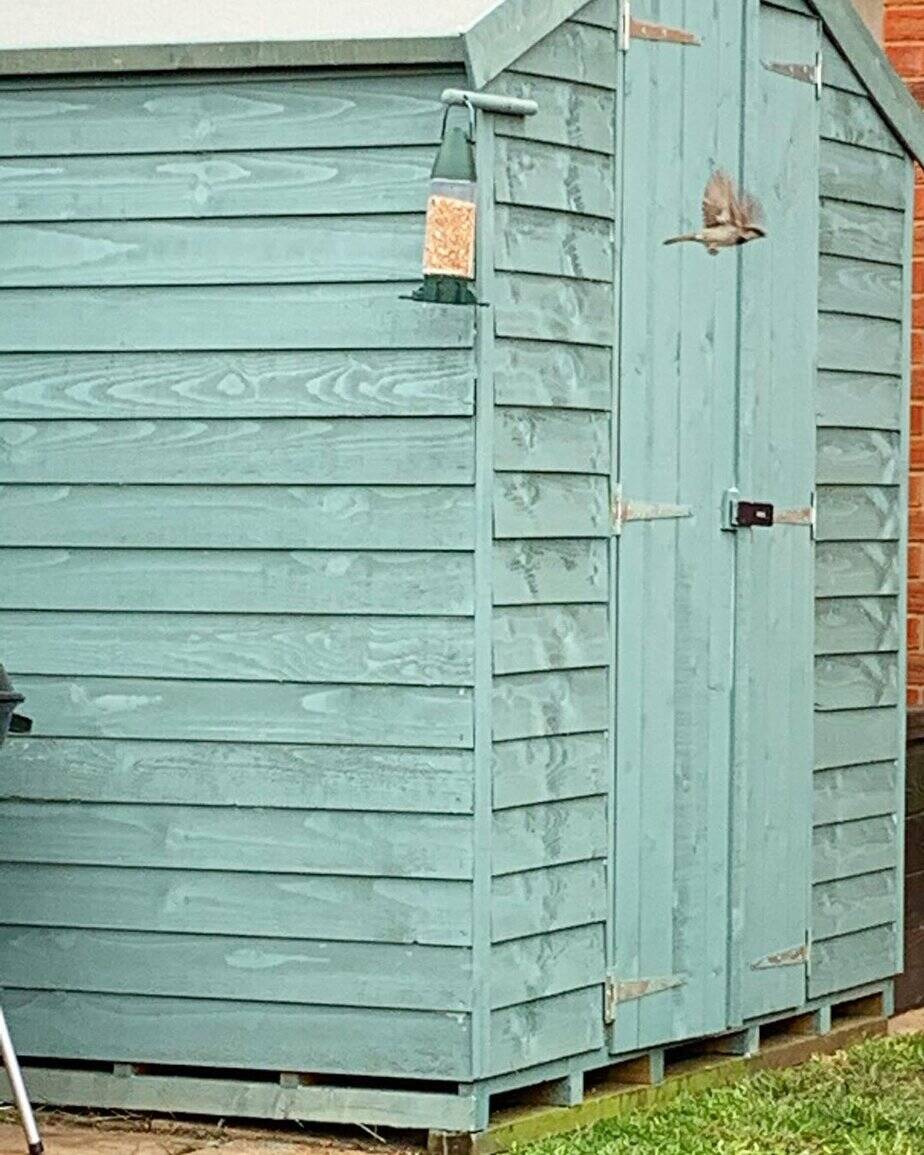
This palette is more on the warm and natural-looking side. The tones include softer greens, deep browns, and muted clay—which all tie in with most gardens. They’re perfect to camouflage your shed, and might as well take the chance to turn it into a wildlife watching room.
Love the natural look? Our classic wooden sheds give you a great base for earthy tones, making them blend naturally with the rest of the garden.
Pastels
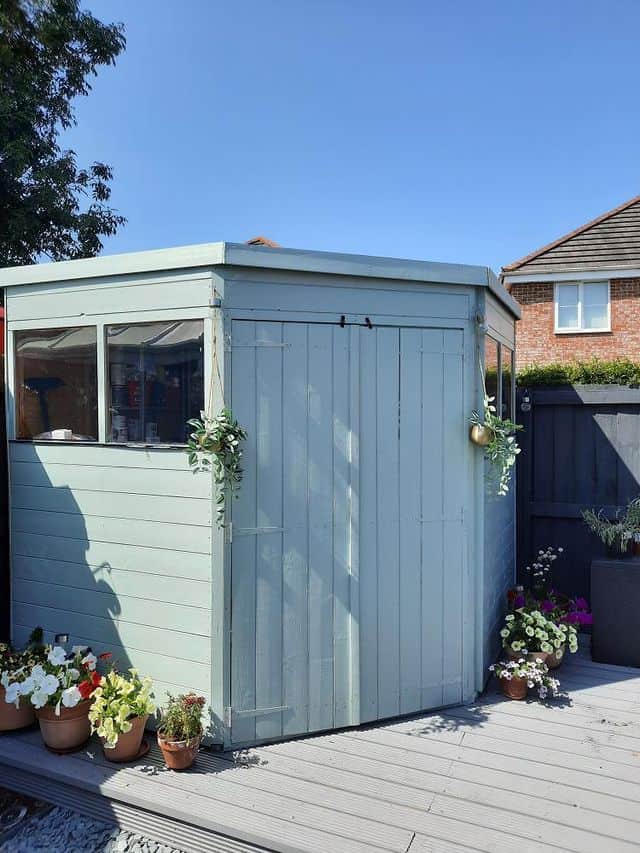
If you find earthy and neutral tones too dark for your liking, pastel shades can give your shed a softer vibe. Pastels lean towards lighter hues like pale pink, baby blue, and muted yellow.
On the exterior, they come out great in brighter gardens or next to flowers. Inside, they brighten up rooms that lack natural light. They go nicely with modern minimalism and a vintage setup that fits with she shed ideas.
For instance, mint green to match the coastal vibe, or a pale lavender for a romantic whimsy.
Classic neutrals
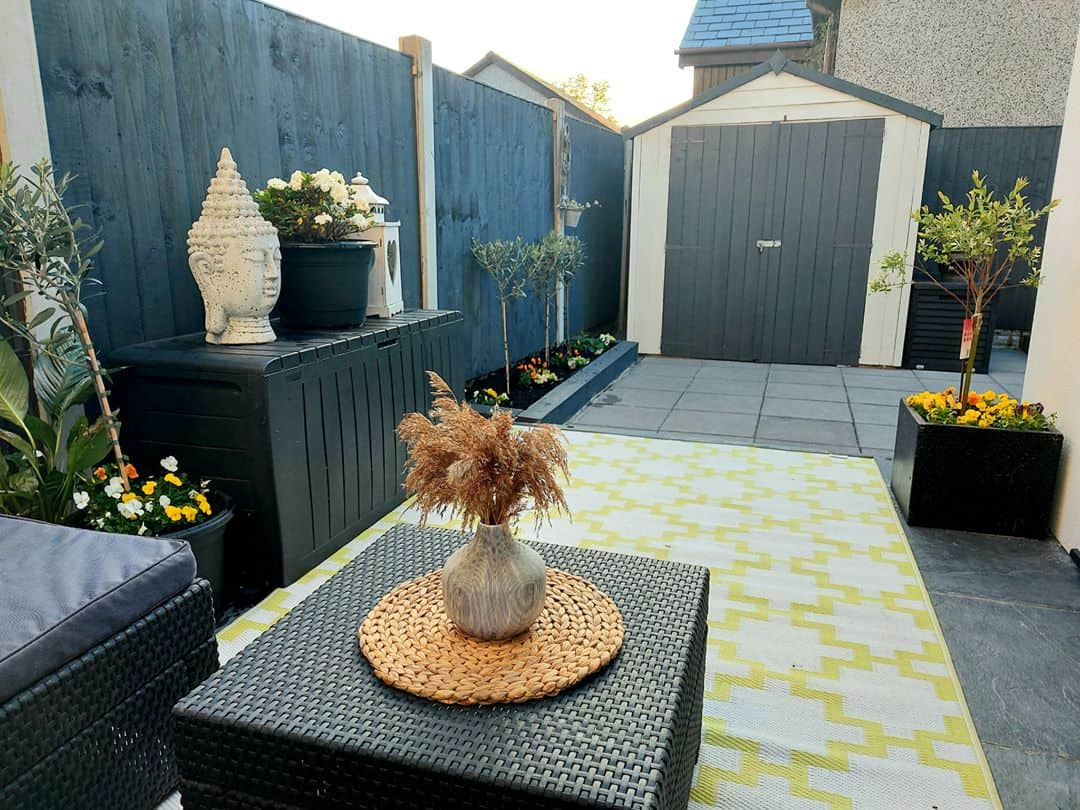
Unlike the natural take of earthy and neutral, these stick to a timeless, toned-down style. Common shades in this category are white, black, grey, beige, and soft taupe. They’re less nature-inspired and more polished and versatile.
For a longer-lasting finish, start with a quality base. With pressure-treated sheds, the timber is protected from the outset. This gives you a better surface for paint, so the colour holds up over time.
Shed Paint Colour Combination Tips for Accent
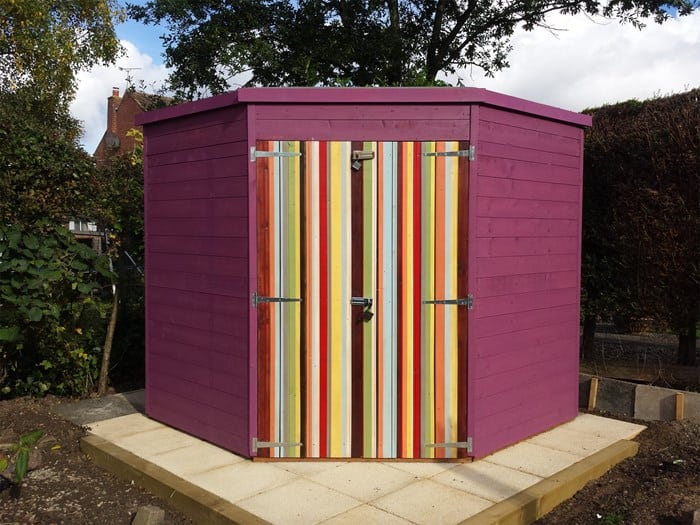
Painting the door or window frames in a different shade can lift your shed’s overall look. Dark walls with white or pale frames look neat and straightforward. Brighter base colour with softer trim, like navy with grey, adds interest.
Shade pairing ideas
Mixing colours can add character without making it look mismatched. Try these:
- Olive green with cream trim
- Charcoal grey with soft blue doors
- Pale sage with white frames
- Slate blue with light grey accents
- Burnt orange with off-white trim
You can also mix and match different shades within the same category to add depth. For one, with classic neutrals, you might paint the shed walls white and then use black for the door and roof fascia.
Other ideas could be:
- Soft greys with darker charcoal trims
- Warm beige walls paired with cream or off-white frames
- Light taupe for the main shed and deeper brown accents
If you’re feeling a bit bolder, you can go all in with colour accents. Why not paint the shed walls one colour, then give each door panel a different shade for a rainbow effect? Or, consider the following:
- A soft pastel wall with door panels in pale pink, mint green, and baby blue
- A bright yellow shed with door panels in orange, red, and turquoise
- Or even a classic navy shed with door panels in various greys and blues to keep it low-key
Now, what if your shed doesn’t have windows? The roof fascia or the door can still be picked out in a different shade to break things up a bit.
Before you grab the brush: If you’ve opted for a pressure treated shed, you might wonder if the treatment affects the finish. Check out our guide on “Can I Paint Pressure Treated Wood” for the best results.
Satin vs Matte Finish
Once you’ve settled on a colour, there’s one more decision to make: the sheen, and you’ve got two options:
Matte is a good choice if your shed is a bit rough or has seen better days. It doesn’t reflect much light, so it’s more forgiving. It helps hide small bumps, cracks, and imperfections that shinier paint would highlight. It also gives the shed a softer, flat finish.
On the flip side, satin or low-gloss has a light sheen and reflects a bit of light. This can help brighten the darker areas of the garden. It’s also easier to wipe down than matte, especially if the surface gets muddy or covered in algae over time.
For that rustic, and tucked-away look, go for matte. If the shed is part of a busy garden with kids or pets, stick with a satin finish.
We hope these shed paint colours have given you inspiration and a good place to start. But there’s more—here’s a guide on ‘How Much Paint Do You Need for a Shed’
FAQ
How long should I wait before painting a new shed?
For a standard wooden shed, you can paint it as soon as it’s assembled, provided the wood is dry and there’s no surface moisture. However, if it’s pressure-treated, give it more time. The treatment process leaves moisture in the timber, so it needs time to cure, which takes around 2 to 4 weeks.
Do I need a primer for shed paint?
Not always. Many modern exterior wood paints are self-priming, so you can paint straight onto bare timber, as long as it’s clean and dry. But using a wood primer is still recommended for lighter colours like white, cream, or pastels. This helps stop natural wood tannins from bleeding through and changing the colour over time.
How many coats of paint does a garden shed need?
Generally, two coats are enough to give a consistent colour and weather protection. You may need a third coat if you’re painting a light colour over a dark stain or untreated wood, to get full coverage and an even finish.
What is the best time of year to paint a shed?
The best time is late spring to early autumn, when the weather is warm, dry, and stable. Aim for a dry, overcast day with temperatures between 10°C and 25°C.
Avoid painting in direct midday sun, as it can cause the paint to dry too quickly and affect the finish. Also, don’t paint if rain is expected within 24 hours, as moisture can ruin the coating before it properly sets.